
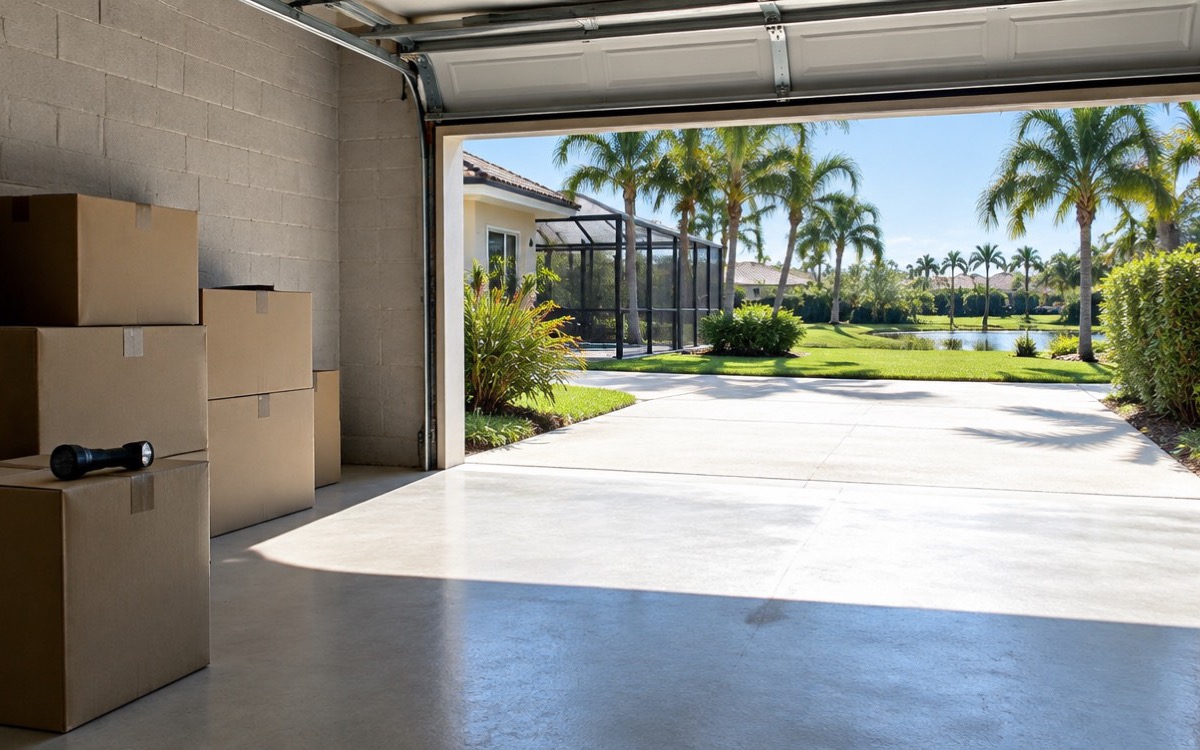
Opening a snowbird home in Brevard County after a long, wet summer, check the garage, the kitchen cabinets and the attic hatch before you unpack a single box. Those three spots tell you if rodents, roaches or termites moved in while you were gone. Most homes are fine. The ones that are not usually show it in the first ten minutes.
TL;DR
- Look before you clean. Droppings, chew marks and small piles of pellets tell you what is there.
- Do not sweep or vacuum rodent droppings. The CDC says that puts germs in the air.
- Run every faucet and flush every toilet. A drain that sat dry for months is an open pipe.
- Walk the outside too. Summer storms move soffits, screens and palm fronds.
Why a closed house draws pests
A house that sits empty from May to October gives pests three things. It is quiet. It is dark. And nobody moves anything for months. Our rainy season also runs right through those months, so the yard stays wet and the bugs breed hard outside.
None of that means something got in. It means the first walk through matters. A problem you find on day one is small. The same problem found in January, after it had the holidays to spread, is not.
Opening a snowbird home: the walk through, room by room
Take a flashlight. Go slow. Touch nothing you are unsure of.
- Garage. Look along the walls and behind stored boxes for droppings and shredded paper or insulation. Check the rubber seal at the bottom of the garage door. Rodents chew the corners.
- Kitchen. Open every cabinet, the pantry and the drawer under the oven. Look for droppings, gnawed packages, and the dark specks roaches leave in corners and hinges. Throw out any food that was left open.
- Bathrooms and laundry. Run the water in every sink, tub and shower, and flush each toilet. A drain trap holds a plug of water. After months with no use it can dry out, and then the pipe is open to whatever lives in it.
- Window sills and door frames. Look for small piles of tiny pellets. That can be drywood termite frass. Our termite warning signs post shows what else to look for.
- Attic hatch. You do not have to crawl in. Pop it, shine a light, and look for trails pressed into the insulation and droppings on the trusses.
- Outside. Walk the house in daylight and look up. Check the soffit corners, the gable vents, the boots around the roof pipes, and the hole where the AC line goes into the wall.
If you find droppings
Stop and leave them where they are. The CDC is clear on this: do not vacuum or sweep rodent urine, droppings or nests, because it can put tiny droplets with viruses into the air. They say to open the doors and windows for 30 minutes first, leave while it airs out, and then follow their wet cleanup steps with gloves on.
Read the health risks post before you touch anything in the attic. Droppings in more than one room, or a lot of them in one spot, is a job for somebody with the right gear.
What we see in Brevard
Around here the animal that moves into a closed house is almost always the roof rat. People call it the citrus rat or the palm rat. It climbs from a tree or a fence onto the roof and goes in at the first gap. On Space Coast homes that gap is usually a soffit that pulled away from the fascia, a cracked rubber boot on a roof pipe, or an AC line hole that was cut too big and never sealed.
The food source is usually close by. A loaded orange tree, a bird feeder left full, or a queen palm with dead fronds touching the roof is all a rat needs. A summer of storms makes the fronds worse, so look at the palms while you are out there.
What to do now
- Do the walk through before you unpack. Garage, kitchen, bathrooms, sills, attic hatch, then outside.
- Run every drain and flush every toilet on the first day.
- Leave droppings alone until you have aired the house out and read the CDC cleanup steps.
- Bring in only sealed food. Toss anything that was open. Store dry goods in hard plastic or glass.
- Trim anything touching the roof. Palm fronds and limbs that touch the house are a bridge for rats.
When to call somebody
If you found droppings, chew marks, or pellets on a sill, get it looked at before the season gets busy. Our rat inspection is free, and rodent and termite work are quoted separately from the plans. If the house is clean and you want to keep it that way through the winter and the next empty summer, our general pest control plans start at $60 a visit with no contract, and every price is on the pricing page.
Sources
Frequently Asked Questions
What should I check first when opening a snowbird home in Florida?
The garage, the kitchen cabinets and the attic hatch, before you unpack. Look for droppings, chew marks, gnawed packages, roach specks and small piles of pellets. Then walk the outside and check the soffit corners, gable vents, roof pipe boots and the hole where the AC line enters the wall.
Should I sweep up rodent droppings I find in a closed house?
No. The CDC says not to vacuum or sweep rodent urine, droppings or nests, because it can put tiny droplets with viruses into the air. Open the doors and windows for 30 minutes and leave while it airs out, then follow the CDC wet cleanup steps with gloves on.
Why run every faucet after the house sat empty?
A drain trap holds a plug of water. After months with no use it can dry out, and then the pipe is open. Run every sink, tub and shower and flush each toilet on the first day.
What usually moves into a closed Brevard house over the summer?
Around here it is almost always the roof rat, also called the citrus rat or palm rat. It climbs from a tree or fence to the roof and goes in at a gap like a soffit pulled away from the fascia, a cracked roof pipe boot, or an unsealed AC line hole.
What does it cost to have it checked?
Our rat inspection is free, and rodent and termite work are quoted separately from the plans. General pest control plans start at $60 a visit with no contract, and every price is on the pricing page.
Dealing with this at your place?
Gator Pest Control has served Brevard County since 1994. Free estimates, no contracts.
Get a Free Estimate Call (321) 253-1188