
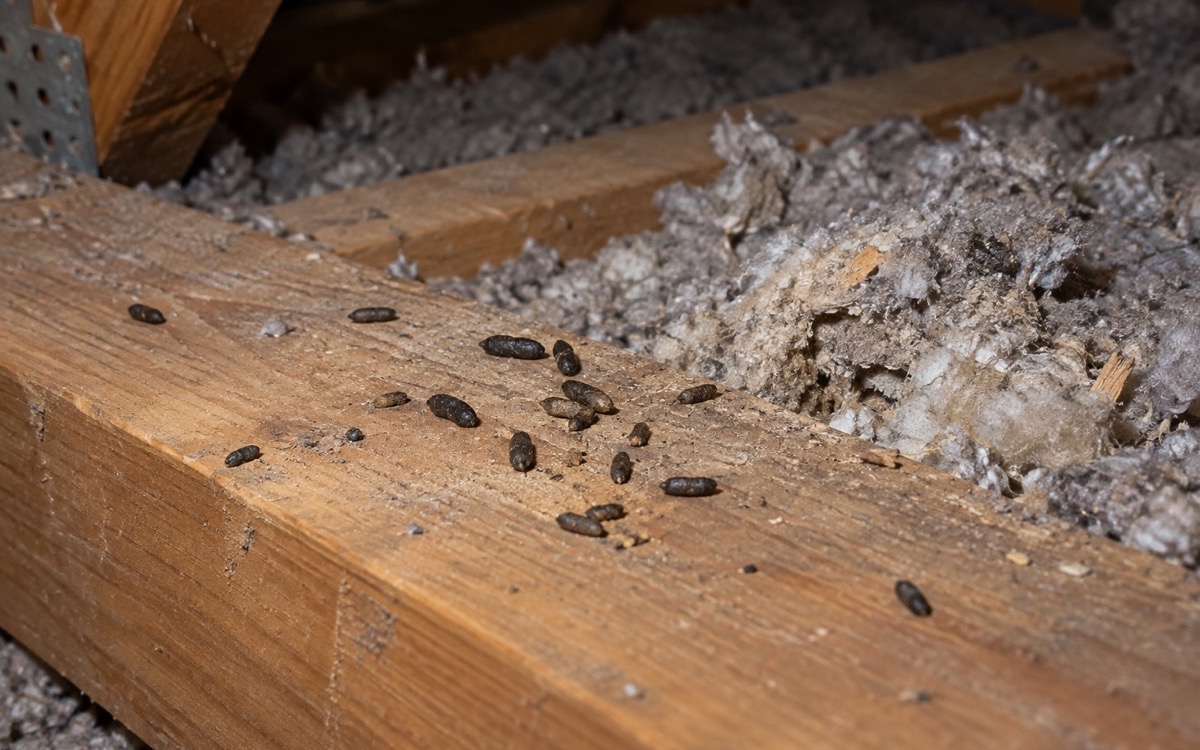
The health risks of rodent infestations in Florida homes come mostly from what rats and mice leave behind: droppings, urine, nesting material and the fleas and mites they carry. In a Brevard County house, most of that sits in the attic and the walls where you never look. It is a real problem, but a manageable one if you deal with the rodents first and the mess second.
TL;DR
- Droppings, urine and saliva can spread germs through the air or through food, according to the CDC.
- Contaminated attic insulation is the biggest hidden mess. Cleaning it takes more than a spray.
- Rodents can also bring fleas and mites into the house.
- Chewed wiring is a fire risk, and it is the one most people forget.
- Never sweep or vacuum droppings. Stop the rodents first, then clean.
What are the health risks of rodent infestations in Florida homes?
The CDC says rodent droppings, urine and saliva can spread illness when you breathe them in or eat food they touched. It also says rodents can carry ticks, mites and fleas that spread disease. UF/IFAS lists leptospirosis, salmonella and murine typhus among the diseases roof rats can spread.
Most homes will never see a serious illness from this. The point is that the risk is real and it is not worth guessing at. If anyone in your home feels sick and you have had rodents, talk to your doctor and mention the rodents. For hantavirus in particular, read our post on hantavirus in Florida. The short version is that it is rare here, but the cleanup rules still apply.
Droppings and urine in the attic
Rats and mice do not use one spot. They leave droppings and urine along the paths they travel, and attic insulation soaks it up. Soaked insulation is hard to clean, and badly fouled sections are usually pulled out and replaced. That is why a rodent problem in the attic is bigger than the rodents themselves. Our post on signs of rodents in your attic covers what to look for.
You do not need to panic about it. You do need to know it is there before you go up with a shop vacuum.
Allergens, food and fleas
Mouse allergen is common in homes, and NIH studies link it to asthma symptoms in people who are allergic to it. Rodent hair, dander and dried waste all add to it. If someone in the house has new sneezing or wheezing and you hear scratching at night, that is worth a thought.
Food is the other path. Mice and rats get into pantries, pet food bags and garages. Throw out anything they have chewed or fouled. Do not try to rinse or cut around it.
Rodents can also carry fleas and mites, according to the CDC.
Chewed wiring is a fire risk
UF/IFAS says roof rats chew wires in buildings and that this can start fires. Attic wiring is where it usually happens, and you will not see it until something fails. If you find a chewed wire, do not touch it. Call an electrician.
What we see in Brevard
Roof rats are the rat we find in Melbourne attics. They nest high, in attics, soffits and palm trees, and they come in from the roof line. Our warm climate means there is no quiet season. Block houses with open soffits and gaps around lanai roofs give them easy entry. Beachside homes in Satellite Beach and Indialantic that sit empty for months can have a long-running problem before anyone checks.
What to do now
- Stay out of the attic and do not disturb droppings until you know what you are dealing with.
- Throw away any food, pet food or packaging that has chewed corners or droppings on it.
- Do not sweep or vacuum droppings, urine or nests. The CDC warns this puts particles in the air.
- Stop the rodents first. Cleaning before the rodents are gone just gets dirty again.
- When it is time to clean, follow the CDC rules for cleaning up after rodents: air the space out for 30 minutes, wear gloves, and wet the area with disinfectant before you wipe it.
When to call somebody
If you have droppings in the attic, call us. A proper job finds how they get in, seals it, and then deals with the damage. See our rodent control page for how we work. Call an electrician if you see chewed wire. Call your doctor with any health question.
Sources
- CDC: How to Clean Up After Rodents
- CDC: Controlling Wild Rodent Infestations
- UF/IFAS Extension: Rat and Mouse Control
- NIH: Exposure to Mouse Allergen in U.S. Homes Associated with Asthma Symptoms
Frequently Asked Questions
What are the health risks of rodents in a Florida home?
The CDC says rodent droppings, urine and saliva can spread illness when you breathe them in or eat food they touched. Rodents can also carry fleas, mites and ticks.
Is it safe to sweep up rodent droppings?
No. The CDC warns that sweeping or vacuuming droppings, urine or nests puts particles in the air. Stop the rodents first, air the space out for 30 minutes, wear gloves, and wet the area with disinfectant before wiping.
Can rats in the attic cause a fire?
Yes. UF/IFAS says roof rats chew wires in buildings and that this can start fires. If you find a chewed wire, do not touch it and call an electrician.
Can rodent droppings make allergies or asthma worse?
NIH studies link mouse allergen in homes to asthma symptoms in people who are allergic to it. Talk to your doctor about any health concern.
Dealing with this at your place?
Gator Pest Control has served Brevard County since 1994. Free estimates, no contracts.
Get a Free Estimate Call (321) 253-1188