
A one-time pest treatment deals with the bugs you can see today. Long-term pest prevention deals with why they came in. In Brevard County, a single visit is enough only when the problem is small and the cause is clear.
TL;DR
- One visit is a fair choice for one contained problem with an obvious cause.
- Prevention means inspecting, finding the entry points, and checking back over time.
- Florida pests do not take a winter break, so a problem that returns usually has a cause nobody fixed.
- Termites and rodents are not a do it yourself, one visit job.
- You do not have to sign a long contract to get ongoing service.
What does a one-time pest treatment cover?
A one-time treatment is a single visit aimed at one problem. A line of ants on the counter. Roaches in the kitchen. A wasp nest by the garage door. The technician treats it, you pay once, and you are done.
That is a good fit when the cause is plain. Maybe a bag of pet food sat open for a week. Maybe a pipe leaked under the sink and has been fixed. The pests came for a reason, the reason is gone, and the treatment clears out what is left.
The limit is simple. A treatment kills what it reaches. It does not stop the next group from walking in, and it does not find the gap they used. If the cause is still there, so is the problem.
What is long-term pest prevention?
Prevention starts with a look, not a spray. The technician finds out which pest you have, where it travels, and why your house is the one it picked. Then the work follows that answer.
The EPA describes this approach as integrated pest management, and its steps are plain: inspect, identify the pest, and prevent it from coming back. Treatment is only one tool. Sealing a gap, fixing a leak, or trimming a branch off the roof may do more than any product.
In practice, prevention means:
- Identifying the pest, because a ghost ant and a fire ant need different handling.
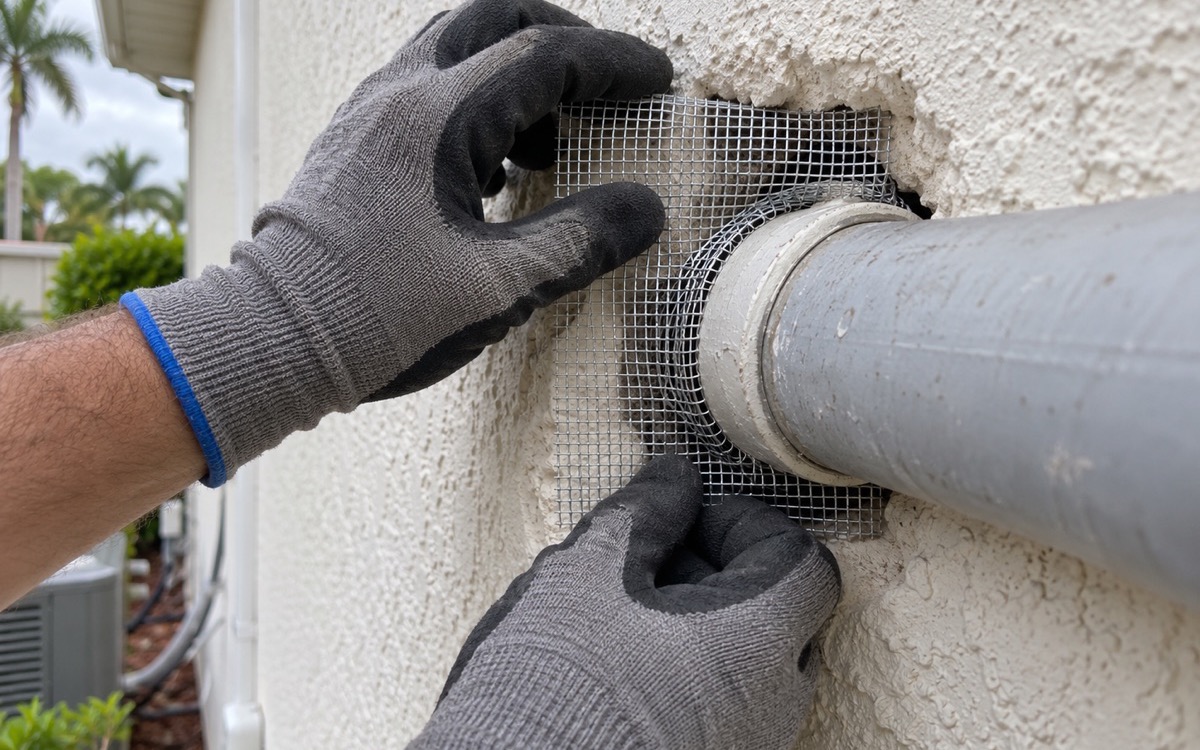
- Finding and closing entry points.
- Removing what draws pests, like standing water, pet food and clutter.
- Checking back on a schedule, so a small problem is caught early.
When is one visit enough, and when is it not?
One visit is usually enough for a single event with a known cause. Think of a stray wasp nest, or a short ant trail after a rainy week.
A plan makes more sense when the same pests come back. If you see ants in March and again in July, or roaches return a few weeks after a treatment, something is feeding them. Roach egg cases protect the young inside, and a case can hold 30 to 40 eggs, so a single visit can miss a hatch that arrives later. We explain that in why you may see more bugs after a treatment.
Some problems do not suit a single visit at all. Termites feed out of sight, and rodents in an attic leave the entry points open until someone seals them. Both need an inspection first. Our termite control and rodent control pages explain how that works.
What we see in Brevard
Brevard County stays warm and wet for most of the year. Pests here do not go dormant in winter the way they do up north, so a problem that is "gone" can be back by the next rainy season.
Block construction, lanais, and screened pool enclosures give pests plenty of places to hide and plenty of ways in. Roof rats are the rat we find in Melbourne attics, and they come in from the trees. Ghost ants and white footed ants show up in kitchens and bathrooms. Drywood termites live inside the wood, where you will not see them.
Beachside homes deal with salt air and constant moisture. Snowbird homes sit closed for months, which gives pests a quiet stretch to settle in. Our snowbird home pest check post covers what to look for when you open up.
What to do now
- Write down what you see, where, and when it started. Photos help.
- Fix what you can: leaks, open food, gaps around pipes, branches touching the roof.
- Ask whether the cause is known. If it is, one visit may be all you need.
- If the same pest has come back, ask about ongoing service instead of paying for repeat visits.
- Check the price first. Our pricing page lists plans per visit with no contracts, and what pest control costs in Melbourne FL explains the rest.
When to call somebody
Call if the same pest keeps coming back, if you see more than one kind of pest, or if you hear or see signs of rats or termites. Those are inspection jobs, not store spray jobs. A free estimate costs you nothing, and we will tell you if one visit is all you need.
Sources
Frequently Asked Questions
Is a one-time pest treatment enough?
It can be, when the problem is small and the cause is clear, such as a single wasp nest or a short ant trail after a rainy week. It does not stop new pests from coming in or find the gap they used.
What is long-term pest prevention?
It starts with an inspection to identify the pest and find out why it came in. It then means closing entry points, removing what draws pests, and checking back on a schedule so small problems are caught early.
When should I choose ongoing pest control in Brevard County?
Choose it when the same pests keep coming back, when you see more than one kind of pest, or when you have signs of rats or termites. Those problems need an inspection, not a single store spray.
Do I need a contract for ongoing pest control?
Not with Gator Pest Control. Our pricing page lists plans per visit with no contracts.
Why do pests come back in Florida?
Brevard County stays warm and wet for most of the year, so pests do not go dormant in winter. A problem that returns usually has a cause that was never fixed.
Dealing with this at your place?
Gator Pest Control has served Brevard County since 1994. Free estimates, no contracts.
Get a Free Estimate Call (321) 253-1188